
Coding for Nonprofits
Free, custom software development for nonprofits — built by volunteer engineers since 2013
Opportunity Hack connects volunteer software developers with nonprofits that need custom technology but can't afford to build it. Since 2013, more than 3,000 developers have built free software for over 200 nonprofits — volunteer scheduling tools, donor management systems, impact dashboards, community platforms, and the dozens of other small-but-essential apps that keep mission-driven organizations running. We're a 501(c)(3) ourselves, organizing weekend hackathons paired with an ongoing Founding Engineer model so the work doesn't end when the hackathon does.
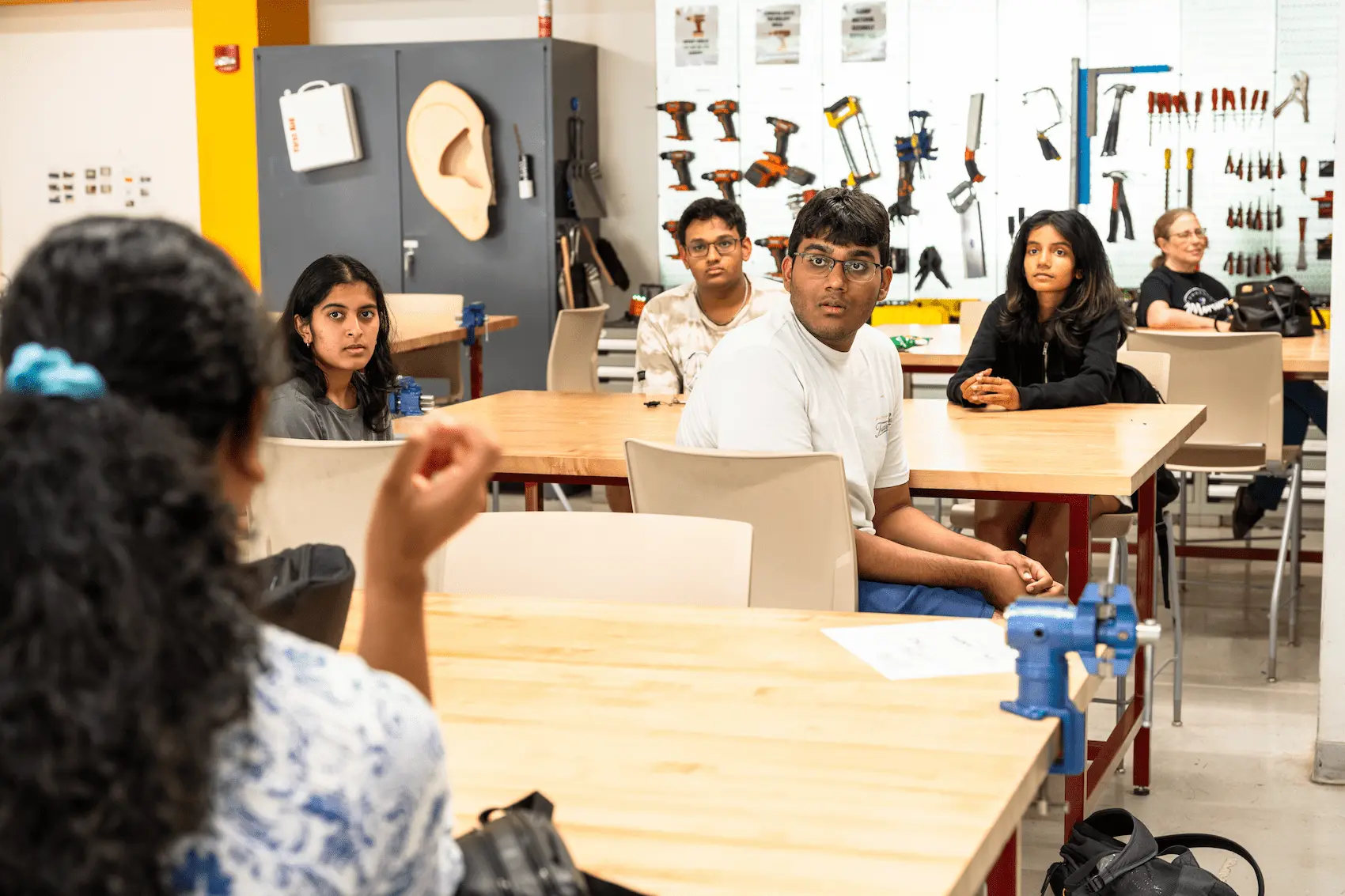
What "Coding for Nonprofits" Means at Opportunity Hack
Most "coding for nonprofits" programs deliver one of three things: a generic donation page, a few hours of pro-bono consulting, or a beautifully scoped project that quietly dies after the volunteer demo. Our model is different.
When a nonprofit comes to Opportunity Hack, they get a small team of volunteer engineers who write actual production code over a weekend, and — critically — a path to keep that code maintained afterward. The hackathon weekend is the kickoff, not the deliverable. We pair every project with a Founding Engineer who continues working with the nonprofit in the weeks and months that follow.
The result is software that nonprofits actually deploy. Custom tools tailored to the nonprofit's specific workflow. Code the nonprofit fully owns. No vendor lock-in. No subscription fees. No "donation in exchange for our SaaS."
How Nonprofits Get Free Software
1. Apply
Submit a one-page application describing the problem you want to solve. Any 501(c)(3) (or international equivalent) is eligible. We help you refine the scope into a clear problem statement that volunteer engineers can build against in a hackathon weekend.
2. Get Matched
Four to eight weeks before the hackathon, we match your problem statement with a team of volunteer developers — typically 3-5 hackers ranging from senior engineers to early-career talent. Mentors and judges are pulled from our network of senior tech leaders.
3. Build & Continue
The hackathon weekend produces a working prototype. From there, our Founding Engineer program pairs your nonprofit with one or two engineers who keep building, deploy to production, and train your team. No fees. You own the code.
What Kinds of Projects We Build
Our most successful projects share a pattern: a clear, specific operational problem that's blocking the nonprofit's mission. The kinds of projects that work well at Opportunity Hack are the unglamorous, internal-tool projects that commercial software vendors ignore — but that save nonprofit staff hours of manual work every week.
Projects that work well
- Volunteer scheduling and shift management
- Donor and grant tracking dashboards
- Case management for service nonprofits
- Internal admin tools for staff workflows
- Impact reporting pipelines (data to board-ready charts)
- Public community platforms with member portals
Projects that don't fit our model
- Mobile apps requiring multi-year iOS/Android maintenance
- Generic CRM replacements (use Salesforce nonprofit edition)
- AI/ML startups disguised as nonprofits
- Anything requiring a full-time engineering team
Why We Do It This Way
The capacity gap
There are roughly 1.5 million nonprofits in the United States. Most can't justify $50,000–$200,000 for custom software development, even when the ROI is obvious in staff hours saved. Generic SaaS tools cover the most common workflows but break down at the edges where nonprofits actually live — multi-program case management, mixed funding tracking, region-specific compliance.
The talent gap
On the developer side, thousands of senior software engineers want to use their skills for social good but bounce off the typical volunteer experience: vague scope, no end date, no peers to work alongside. The hackathon format creates a timeboxed commitment with a working team. The Founding Engineer program creates the ongoing path for the engineers who want to go deeper.
The multiplier effect
Every nonprofit project we ship recruits more volunteer engineers. Every senior engineer who becomes a mentor or judge brings their professional network with them. Coding for social good stops being something developers do instead of their day job and becomes a way to amplify it. That's why we've grown from a single weekend hackathon in 2013 to a year-round program serving 200+ nonprofits.
How to Participate
For nonprofits
Apply for a free software project. We work with 501(c)(3) organizations of all sizes. The application takes about 20 minutes.
Apply as a NonprofitFor developers
Join the next hackathon as a hacker. Beginner-friendly — we pair junior engineers with senior mentors. Senior engineers can also volunteer as Founding Engineers for ongoing work.
See Upcoming HackathonsFor sponsors
Fund the model. Sponsors keep the program free for nonprofits and reserve dedicated mentor/judge slots for their teams as a professional-development perk.
Become a SponsorFrequently Asked Questions
Yes. There are no fees at any stage of the process. Opportunity Hack is funded by corporate sponsors and individual donors, which means our nonprofit partners pay nothing — not for the hackathon weekend, not for the Founding Engineer follow-on work, not for hosting (we help arrange free hosting credits where possible). The only thing we ask in return is that nonprofits stay engaged with the project team during development.
There isn't one, but there are constraints. Hackathon teams have a weekend to ship a prototype. The scope of what we can build in that window is real — a focused tool that solves one specific problem, not a full enterprise platform. The Founding Engineer program extends timelines, but we still scope projects to what volunteer engineers can sustainably ship in their nights and weekends.
The nonprofit. Every project we build is licensed to the nonprofit (or open-sourced when both sides agree). Opportunity Hack does not retain commercial rights, IP claims, or revenue-share. The volunteer developers who built the project are credited but don't claim ownership — they signed onto the volunteer agreement before the hackathon started.
That's exactly what the Founding Engineer program is for. After the hackathon, we pair successful projects with one or two engineers who continue building for weeks or months — deploying to production, fixing bugs, training your staff to use and maintain the system. Long-term ongoing maintenance (years out) typically transitions to the nonprofit's own technical capacity, with our network available for consultation.
Hackathon weekend output is a working prototype, not production-ready. The path from prototype to production runs through the Founding Engineer program. Past nonprofit projects have ranged from "the prototype was enough — we deployed it as-is" to "took six more months of evening work to harden, deploy, and train staff." The team scopes the post-hackathon plan with each nonprofit before the event.
Absolutely. Many of our nonprofit partners are outside Arizona, and several are international (we've worked with organizations in India, the Philippines, and elsewhere). Our hackathons happen at ASU in Tempe, but the work itself happens remotely or hybrid. Nonprofits don't need to attend in person to participate — we just need engaged stakeholders available by video and email during the project.
No technical staff required. About half of the nonprofits we work with have zero in-house engineers. What we do need is a stakeholder — usually an executive director, program manager, or operations lead — who can answer questions about workflows, give feedback on prototypes, and ultimately use the software once it ships. Without that engaged stakeholder, projects stall.
Plan on 4-12 weeks total. Applications open ~8 weeks before each hackathon. The hackathon weekend itself produces the prototype. The Founding Engineer follow-on typically lasts 4-8 weeks for straightforward projects, longer for more complex ones. Some projects deploy the hackathon prototype as-is within days; others spend the full 12 weeks reaching production.
Ready to start?
Whether you're a nonprofit looking for software, a developer looking to do meaningful work, or a sponsor looking to fund the model — we'd love to hear from you.
Interested in the event itself? Learn about our hackathon for social good — the annual flagship where all this work begins.
To empower students, professionals, and nonprofits to collaboratively create sustainable tech solutions that drive social impact and foster learning.
To build a global community where individuals can accelerate their career growth while making a lasting impact for nonprofits.
- What's Opportunity Hack?
- Sponsor Social Good
- FAQ
- Our History
- Join Us on Slack
- Privacy Policy
- This website is a public good.
Fork this on GitHub c52059b